



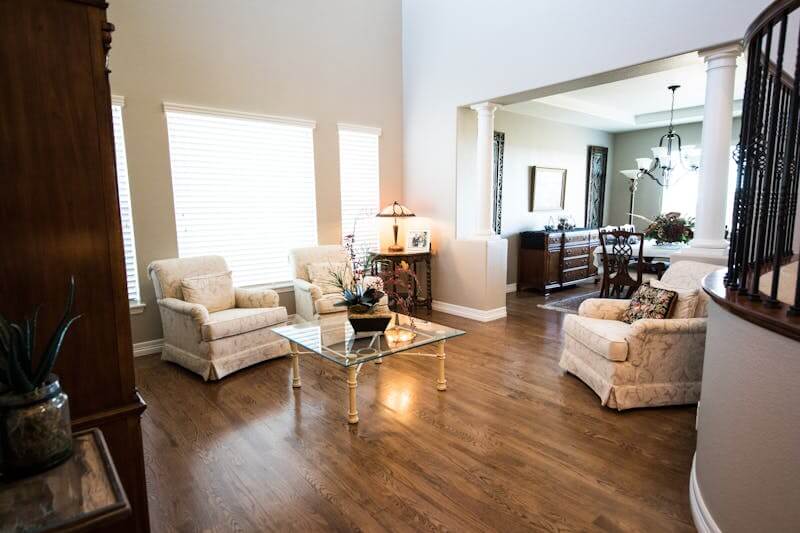

Choosing flooring sounds simple at first. You pick a style you like, match it with your walls, and move on. But many homeowners in Nashville find out later that the decision is more complex than it seems. The local climate, daily wear, and even how you use each room can affect how your floors hold up over time. What looks great on day one may not feel practical a few months later. Scratches, moisture issues, or constant upkeep can quickly become frustrating. This is why it helps to look beyond appearance and think about how flooring fits into your daily routine. The right choice should not only look good but also work well for your home and your lifestyle.
How Nashville Weather Impacts Your Floors
Nashville’s weather can shift between humid summers and cooler, drier months. These changes can affect how certain flooring materials behave. Wood, for example, can expand when humidity rises and shrink when the air becomes dry. This can lead to gaps or slight movement over time. Some materials handle moisture better than others, which makes them more reliable in areas with changing conditions. It’s important to choose flooring that stays stable throughout the year, not just during one season. In some cases, homeowners even prepare for installation by moving furniture and belongings into a storage unit with help from a moving company in Nashville. This helps protect items while the floors are being laid. Paying attention to how materials react to the local climate can help you avoid issues that are difficult and costly to fix later.
When Style Clashes with Daily Life
It’s easy to fall in love with a floor because it looks clean, modern, or trendy. But once you start living on it every day, things can change. Homes with kids, pets, or frequent guests need flooring that can handle wear without showing damage too quickly. Light-colored floors may show every mark, while darker ones can highlight dust and scratches. Smooth finishes can also become slippery, which may not be ideal for busy households. Before choosing, think about how your home functions on a normal day. A floor that fits your routine will feel like a better investment than one chosen only for its appearance.
Why One Floor Doesn’t Fit Every Room
Using the same flooring throughout your home may seem like a simple choice, but it doesn’t always work well. Different rooms have different needs. Kitchens and bathrooms deal with more moisture, while living areas see more foot traffic. A material that works well in one space may not perform the same way in another. For example, soft flooring might feel comfortable in bedrooms but may not hold up in busy areas. It’s better to match the flooring to the function of each room. This approach helps your floors last longer and perform better in the spaces where they are used most.
What Lies Beneath Your Current Floors
Before installing new flooring, it’s important to understand what’s underneath. The condition of your subfloor can affect how your new flooring looks and lasts. Uneven surfaces, moisture issues, or damage can lead to problems after installation. These issues are not always visible at first, which is why they often catch homeowners off guard. Fixing the subfloor may add time and cost, but skipping this step can lead to bigger problems later. A proper inspection helps you plan better and avoid surprises. Taking care of what’s below ensures that your new flooring has a solid and reliable base to sit on.
Comfort and Noise You Notice Every Day
Flooring affects how your home feels and sounds more than most people expect. Hard surfaces like tile or hardwood can feel cold underfoot, especially in the morning or during winter months. They can also create more noise, as footsteps, dropped items, and movement echo more easily. This can become noticeable in homes with children or in multi-level layouts. Softer options like carpet or cork reduce sound and feel warmer, but they come with different maintenance needs. It’s important to think about how you want your space to feel on a daily basis. Comfort and noise levels can impact your routine just as much as the visual appeal of the flooring.
Understanding Real Durability Over Time
Not all flooring materials hold up the same way under daily use. Some resist scratches, dents, and moisture better than others. For example, tile and certain vinyl options handle water well, while natural wood can be more sensitive to spills and heavy use. Durability also depends on how the floor is used. High-traffic areas need stronger materials than low-use spaces. It’s important to think about how long you want your flooring to last and how much wear it will face. Choosing a durable option may cost more upfront, but it can reduce the need for repairs or replacement later.
Trends Change Faster Than You Expect
Trendy flooring styles can look appealing at first, but they may not age well over time. Bold patterns or very specific finishes can fall out of favor, which may affect how your home feels in a few years. This can also matter if you plan to sell your home in the future. Neutral and simple designs tend to stay relevant longer and work with different decor styles. That doesn’t mean you should avoid personal taste, but it’s worth thinking about long-term appeal. A balanced choice helps your flooring stay practical and visually consistent without needing updates too soon.
Looking Beyond the Price Tag
The cost of flooring goes beyond the material itself. Installation, preparation, and added layers like underlayment can increase the total expense. Some materials may seem affordable at first but require more maintenance or repairs over time. Others may cost more upfront but last longer with less upkeep. It’s important to look at the full picture before making a decision. Planning your budget with all these factors in mind helps you avoid unexpected costs. A well-informed choice can save money in the long run and ensure that your flooring performs well over time.
Choosing the right flooring involves more than picking a style you like. Every decision, from material to installation, affects how your home functions each day. Factors like climate, maintenance, comfort, and durability all play a role in how well your floors hold up over time. Many of these details are easy to overlook, but they can make a big difference after installation. Taking the time to think through each aspect helps you avoid common mistakes and costly changes later. A well-planned flooring choice supports your lifestyle, fits your home, and stays practical for years without creating unnecessary stress.