




Forex trading in 2025 continues to evolve with faster platforms, smarter tools, and tighter spreads. Technology now allows traders to act quickly, analyze data in real time, and manage trades from almost anywhere. The best platforms in 2025 help traders of all experience levels trade more efficiently and make informed decisions in a changing market.
Each platform provides unique features that match different trading styles. Some focus on advanced charting and automation, while others emphasize simplicity and speed. This article explores the leading platforms that stand out this year and how they support traders who want performance, flexibility, and control.
Taurex
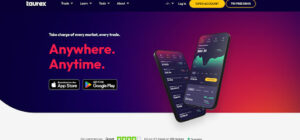
Taurex operates as a global trading platform that gives users access to Forex, CFDs, indices, commodities, cryptocurrencies, and shares. It provides both web and mobile platforms, along with MetaTrader 4 and MetaTrader 5. The company promotes flexibility with the message “Take charge of your trading. Anywhere. Anytime.”
Traders can explore www.tradetaurex.com/forex/ to trade major, minor, and exotic currency pairs. The broker supports different account types, including Standard Zero, Pro Zero, and Raw, each with its own pricing model. This structure helps traders choose the setup that fits their goals and experience level.
The platform supports social and copy trading, allowing users to follow other traders’ strategies. It also provides tools like trading signals, market insights, and customizable dashboards. These features help users track performance and manage trades more effectively.
Taurex operates under multiple regulatory entities, including a Seychelles license. As with any leveraged trading service, users should understand the risks involved, including possible loss of capital.
MetaTrader 4 (MT4)
MetaTrader 4, often called MT4, remains one of the most widely used platforms for forex trading in 2025. Traders continue to value its balance of simplicity and advanced tools. It supports both new and experienced users who want clear chart displays and steady trade execution.
The platform allows access to forex pairs and, depending on the broker, other assets such as indices, metals, and commodities. Its charting tools help traders study price movements and identify trends with precision. Automated features, known as Expert Advisors, let users set up strategies that trade based on defined rules.
MT4 also supports a large library of custom indicators and add-ons. This flexibility allows traders to tailor the platform to their personal style. Many brokers still provide MT4 because it works smoothly, supports quick order placement, and gives users control over their trading environment.
MetaTrader 5 (MT5)
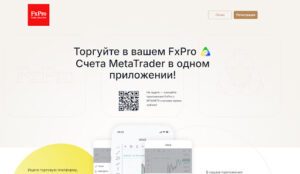
MetaTrader 5 remains one of the most widely used platforms for forex trading in 2025. It builds on the foundation of its predecessor with faster execution, more order types, and better charting tools. Many traders favor it for its balance of performance and ease of use.
The platform supports multiple asset classes such as forex, indices, and commodities. This flexibility helps traders manage different markets from one account. It also includes advanced analytical features that allow users to test strategies before entering live trades.
MT5 provides automated trading through expert advisors, which help users apply consistent strategies without manual input. The interface stays clean and customizable, making it suitable for both beginners and experienced traders.
In addition, many brokers now provide MT5 access with competitive spreads and low fees. This wide availability gives traders more choices and helps them find setups that match their goals. As a result, MT5 continues to hold a strong position in the trading world.
cTrader
cTrader stands out as a modern platform that focuses on transparency and fast trade execution. It uses an STP/ECN model that connects traders directly to liquidity providers, which can reduce price manipulation and improve order accuracy. Many traders value its clean design and simple interface.
The platform provides detailed chart tools and advanced order types that help users plan trades more precisely. It also supports automated strategies through its built-in algorithm feature, giving more control to those who prefer data-based decisions.
Unlike older systems, cTrader provides Level II pricing that shows full market depth. This feature helps traders see real bid and ask prices before entering a position. As a result, it supports more informed trading choices.
In 2025, cTrader remains popular among both new and experienced traders who want a balance between usability and performance. Its focus on transparency and technology keeps it competitive in the evolving forex market.
ThinkMarkets

ThinkMarkets operates as a global broker that provides access to forex and CFD markets. It began in 2010 and now serves traders in many regions under multiple financial regulators. The broker provides trading in thousands of instruments, including currencies, indices, stocks, metals, and cryptocurrencies.
Traders can use MetaTrader 4, MetaTrader 5, or the broker’s own ThinkTrader platform. Each platform supports advanced chart tools and quick trade execution. ThinkMarkets also connects with TradingView for those who prefer that charting environment.
The broker provides two main account types. The Standard account has no commission and slightly wider spreads, while the ThinkZero account uses raw spreads with a small commission. This setup allows traders to choose the cost model that fits their style.
Deposits and withdrawals support several payment options, and the broker provides demo accounts for practice. Its low spreads, platform variety, and global regulation make it a practical choice for traders who value flexibility and control.
Conclusion
Forex trading in 2025 gives traders more control and flexibility than in past years. Platforms now provide faster trade execution, better chart tools, and stronger mobile access. Each system serves a different type of trader, from beginners who value simplicity to experts who need advanced analysis.
Technology continues to shape how traders view the market. Features such as automated trade options, real-time alerts, and secure account management help users act with more confidence. However, success still depends on skill, discipline, and clear strategies.
Traders should review platform features, costs, and support before making a choice. A well-matched platform can improve decision quality and trading consistency. In the end, the best platform is the one that fits a trader’s goals and trading style.