



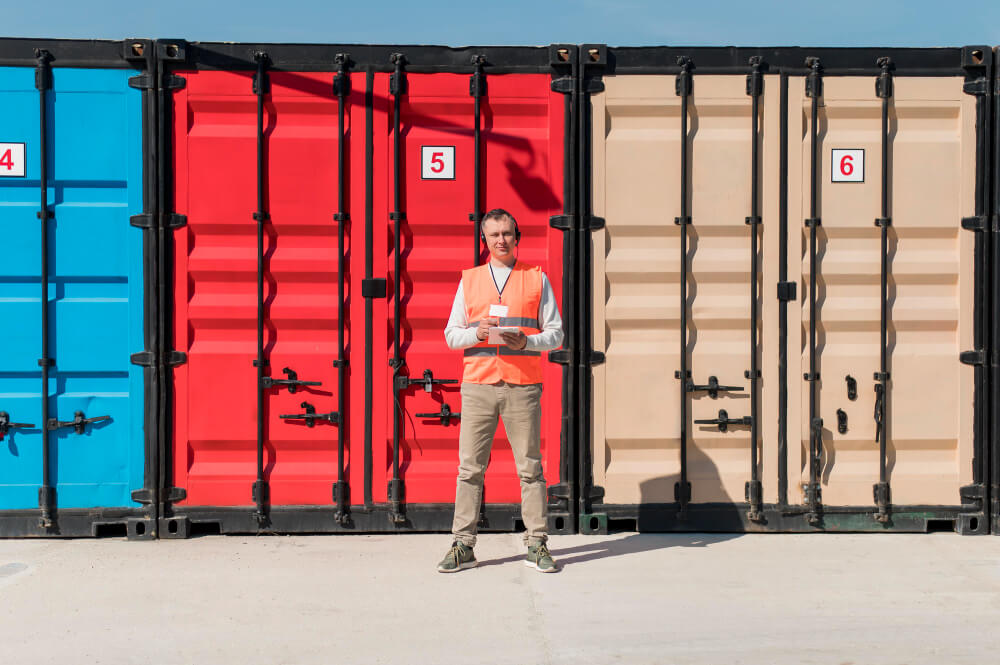

In recent years, shipping containers have become one of the most adaptable and sought-after structural solutions in Christchurch. Originally designed for international freight and logistics, these robust steel units are now being transformed into a wide range of applications, including commercial buildings, secure storage facilities, modern residential spaces, and innovative pop-up retail outlets. Their growing popularity reflects a shift toward smarter, more flexible building solutions that meet the evolving needs of the city.
As demand continues to rise, Shipping Containers Christchurch has emerged as a key topic for businesses and individuals seeking cost-effective, sustainable, and durable construction alternatives. This article explores the driving factors behind the surge in container use and explains why shipping containers are establishing themselves as a long-term solution rather than a passing trend.
Post-Earthquake Rebuilding and Resilience
Christchurch’s construction landscape was permanently reshaped following the 2010 and 2011 earthquakes. The need for fast, flexible, and resilient building solutions became paramount. Shipping containers, built from corten steel and designed to withstand extreme conditions at sea, naturally aligned with these requirements.
Their inherent strength makes them well-suited to seismic regions, particularly when reinforced and engineered correctly. Containers can be installed quickly, relocated if required, and adapted to evolving site conditions. For many Christchurch businesses and developers, this flexibility has been invaluable during the city’s ongoing rebuild and expansion.
Cost-Effective Construction and Storage Solutions
Rising construction costs continue to challenge developers, small businesses, and homeowners alike. Shipping containers offer a comparatively affordable alternative to traditional building materials, especially for storage, temporary buildings, and modular developments.
For businesses requiring secure on-site storage, containers provide a ready-made solution that eliminates the need for costly permanent structures. They are also increasingly used as workshops, site offices, and equipment housing, reducing overheads while maintaining durability and security.
In Christchurch’s competitive commercial environment, cost efficiency without compromising quality has become a significant driver of container adoption.
Sustainability and Environmental Benefits
Sustainability is no longer optional in modern construction. Christchurch, like many progressive cities, has embraced environmentally conscious development practices. Repurposing shipping containers aligns strongly with these values.
Each reused container represents a substantial reduction in steel waste and embodied carbon. Instead of being melted down or discarded, containers are given a second life, often requiring fewer raw materials than traditional builds. When combined with energy-efficient insulation, solar integration, and modern ventilation systems, container structures can achieve impressive sustainability outcomes.
For environmentally conscious businesses and developers, shipping containers offer a practical way to meet green building objectives while maintaining functionality.
Versatility Across Industries
One of the most compelling reasons shipping containers are booming in Christchurch is their adaptability across multiple industries.
Retailers are using containers for pop-up shops, cafes, and event spaces, particularly in high-foot-traffic areas. Their modular nature allows businesses to test new locations without committing to long-term leases or permanent construction.
In the industrial and logistics sectors, containers remain essential for storage and transport but are also being converted into specialised units such as refrigerated storage, hazardous material containment, and mobile workshops.
Residential and accommodation uses are also growing, with containers being incorporated into modular housing projects, student accommodation, and short-stay units. Their stackable design and small footprint make them ideal for urban infill developments where land availability is limited.
Speed of Deployment and Minimal Disruption
Traditional construction projects can take months or even years to complete, often causing significant disruption to surrounding areas. In contrast, container-based solutions can be delivered and installed in a fraction of the time.
Prefabrication allows much of the work to be completed off-site, reducing noise, waste, and on-site labour requirements. This is particularly advantageous in Christchurch’s urban areas, where minimising disruption to neighbouring businesses and residents is a priority.
For companies needing rapid expansion or temporary facilities, shipping containers provide a reliable and efficient alternative.
Customisation and Modern Design Appeal
Gone are the days when shipping containers were viewed as purely industrial and unattractive. Modern container conversions can be fully customised to meet aesthetic and functional requirements.
From sleek architectural finishes and glazing to climate control and smart technology integration, containers can be transformed into sophisticated spaces that rival traditional builds. In Christchurch, architects and designers are increasingly embracing container architecture as a creative medium rather than a constraint.
This shift in perception has played a major role in normalising container use across both commercial and residential sectors.
Strong Local Supply and Industry Support
Christchurch benefits from strong access to container supply through its port and logistics infrastructure. This availability, combined with a growing network of container modification specialists, engineers, and transport providers, has made container projects more accessible than ever.
Local expertise ensures compliance with New Zealand building codes and seismic standards, giving buyers confidence that container solutions are both safe and fit for purpose.
A Long-Term Solution for a Growing City
As Christchurch continues to evolve, the demand for adaptable, resilient, and cost-effective building solutions is expected to grow. Shipping containers meet these needs while also aligning with sustainability goals and modern design expectations.
Their popularity is not driven by novelty but by proven performance across a wide range of applications. Whether used for storage, business expansion, housing, or creative architectural projects, shipping containers have firmly established themselves as a valuable asset in Christchurch’s development landscape.
For businesses and individuals seeking practical solutions in an ever-changing environment, it is clear why shipping containers are booming in Christchurch—and why they are likely to remain a key part of the city’s future.