



For many manufacturers, the story of progress on the line can be seen through their bottle filling machines. Early plants relied on operators with jugs and funnels, while today modern bottle filling equipment can fill, cap and index thousands of containers an hour with consistent accuracy.
As competition, regulations and customer expectations increase, the choice of bottle filling machine has a direct impact on efficiency, product quality and profit. This article traces the journey from hand pouring to fully automated systems and explores how to choose the right technology for your plant.
From Hand Pouring to Early Mechanical Fillers
The earliest production lines depended on people, not machines. Operators filled bottles one by one using jugs, ladles or very basic gravity feeds. This was slow, tiring work and it often resulted in uneven fill levels, spills and high product loss. To ease the strain, simple mechanical devices appeared, including basic pumps and manual piston arrangements.
These tools brought some repeatability, but the process was still heavily dependent on the operator. The first steps toward an automatic piston filler showed how a controlled stroke could deliver more consistent volumes, yet early designs lacked the speed, hygiene and fine adjustment that modern piston filling machine solutions provide.
The Rise of Semi Automatic Bottle Filling Machines
As demand grew, producers needed equipment that could do more of the hard work while still remaining flexible. Semi automatic bottle filling machines answered this need. In these systems, operators typically place bottles under the nozzles and start the cycle, while the machine manages the metering and dispense.
Pneumatic or electric drives control pistons, valves or pumps so that each stroke delivers a repeatable volume. This dramatically reduces operator fatigue and improves consistency compared to manual tools. For many small and mid sized facilities, a semi automatic bottle filler machine or compact liquid filling machine offers the ideal balance between speed, control and investment.
Fully Automated Bottle Filling Systems and Integrated Lines
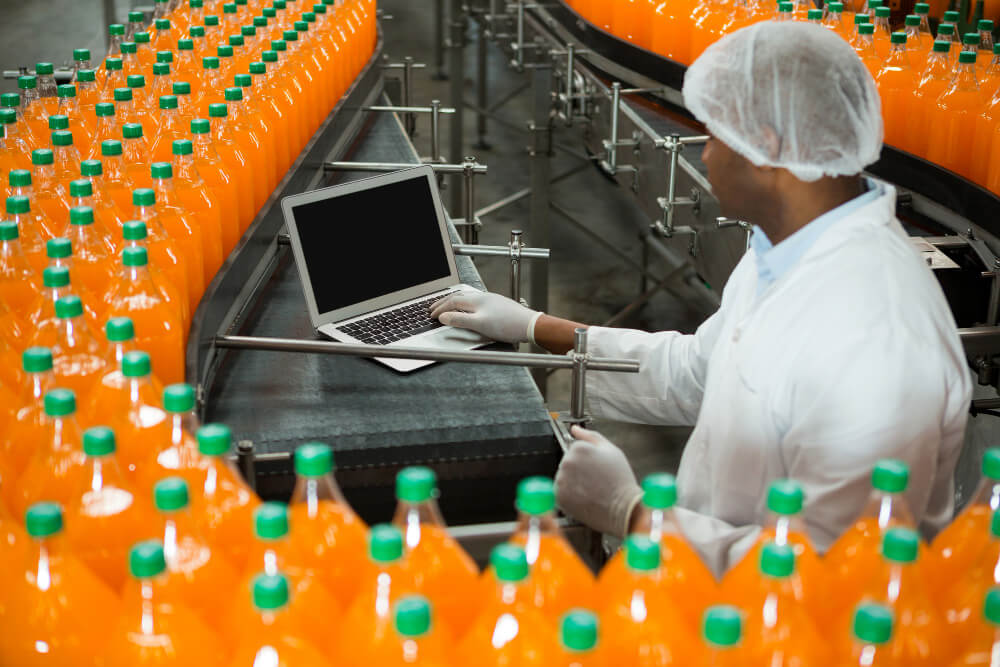
Today, fully automated liquid bottle filling machines sit at the heart of many production lines. Bottles are fed into position by automatic unscramblers and conveyors, then pass through rinsing, filling and capping stations without direct human contact. A modern automatic bottle filling machine can be configured for gravity, overflow or piston style filling, depending on product viscosity and foam characteristics.
Sensors check container presence and position, and programmable controls maintain speed and timing across the whole line. When combined with labellers, coders and case packers, automated filling systems create a continuous, reliable flow that keeps downtime low and output high.
Key Advantages of Modern Automated Filling Technology
Upgrading to modern bottle filling machines brings a set of benefits that go far beyond speed. First, higher throughput lets producers meet rising demand without adding extra shifts or manual labour. Consistent fill volumes reduce product giveaway, support quality control and help brands meet labelling regulations.
Automated handling improves hygiene and safety by limiting direct contact between operators, containers and product, which is crucial in food, beverage and cosmetic applications. As controls have become more user friendly, teams can adjust recipes, speeds and fill settings quickly for different SKUs, especially when using versatile liquid filling machine and piston filling machine designs. All of these gains add up to lower unit costs and a stronger return on investment.
Choosing the Right Level of Automation for Your Production Line
Not every plant needs a fully integrated system immediately, so the first step is to define what level of automation makes sense. Start by reviewing current and forecast production volumes, as well as the number of bottle sizes, closure types and product variations you run.
Highly viscous, foaming or particulate-rich products may favour one style of bottle filling machine over another. Space constraints, existing conveyors and upstream or downstream equipment also influence the final layout. For many growing producers, a semi-automatic bottle filler machine is a smart transition from manual work, while others will see faster payback from moving straight to an automated bottle filling equipment solution.
Looking Ahead, Digitalisation and Smarter Filling Systems
The next stage in the evolution of bottle filling machines is being driven by data. Modern controls can log production rates, stops and faults, giving teams clear insight into where efficiency is lost. Remote access and diagnostics help maintenance teams respond faster, while predictive tools reduce unplanned downtime.
Recipe management and tool-free changeovers shorten the time needed to switch between products and formats. As digitalisation spreads across the factory, intelligent liquid bottle filling machines will play an even bigger role in keeping lines responsive and resilient.
Partnering With a Specialist for Your Next Filling Upgrade
From hand pouring and early mechanical aids to today’s fully automated lines, the journey of the bottle filling machine shows how much modern production has changed. The challenge for many manufacturers is deciding which step to take next.
Working with a specialist in bottle filling equipment helps you match technology to real world needs, whether that means refining a manual station, adding a semi automatic piston filling machine or specifying a new integrated line. With the right partner, your next upgrade can deliver cleaner fills, smoother operation and the capacity you need to grow with confidence.