




Scaling a cottage food business is every cottage food entrepreneur’s dream.
Imagine selling more products. Reaching more customers. Expanding your brand reach.
But here’s the dirty secret most cottage food entrepreneurs don’t want to admit…
When you scale too fast or focus only on growth for growth’s sake, you risk losing the very thing that made customers love your product to begin with.
Things like:
- The handmade quality
- The honest ingredients
- The story behind the product that no assembly line can replicate
When those things go, your brand identity crumbles with them.
Surely there’s a better way to scale without sacrificing your brand identity?
There is… and that’s what this article covers.
Before we begin, here are a few things we’ll cover:
- Why cottage food brands are popping up left and right
- How easy it is to fall into the identity trap
- Why cheese curds for snacking are the perfect example
- Exact strategies cottage food businesses use to scale the right way
- What brands that maintain their identity have in common vs ones that don’t
Why The Cottage Food Industry Is Booming Right Now
It’s no secret that Americans have had it with factory processed foods.
They want real food that’s made by real people. Consumers want to know where their food came from, who made it, and if anyone cared about quality when they made it.
This sea change in consumer mindsets has created a massive tailwind for cottage food brands across the country.
And it’s backed by numbers.
52% of food businesses reported growth in 2024, according to FLIP’s national Food & Beverage Industry Economic Trends Report. That’s not a fluke — consumer demand for real food is driving sustained growth in this sector.
Demand for specialty food is expected to rise even faster. In fact, US specialty cheese sales are projected to climb from $6.6 billion in 2024 to $9.2 billion by 2030, per Grand View Research.
In short: cottage food businesses that prioritize quality and authenticity over fast expansion are sitting on a gold mine right now.
Entrepreneurs are noticing. After passing a cottage foods law in 2011, Texas saw over 1,400 new cottage food businesses form within one year once word spread. Not long after California passed their law in 2013, that state saw a similar boom. From coast to coast, America’s appetite for cottage food businesses is stronger than ever.
The Identity Trap That Sneaks Up On Scaling Brands
Here’s the tricky part.
If you start making concessions in order to grow bigger, faster. You’ll slowly lose the things that made people love your product in the first place.
Things like:
- Bigger batch sizes
- Switching to cheaper ingredients
- Distribution partners that require longer shelf lives
If you’re wondering why any brand would ever make these choices, think about how they appear in the short term. To a business looking to grow at all costs, these decisions let you expand without drastically changing your product. But if you’ve made enough of them? Suddenly your brand identity is nothing more than a shadow of its former self.
This is the identity trap.
Scale too quickly and you’ll sacrifice the things that made customers trust your brand. Grow without letting go of your product story and customers will come back happily. But too many brands get trapped wanting growth without considering what they’re willing to sacrifice to get it.
Cheese Curds For Snacking: Example Of Scale Done Right
Want to see a real example of this first hand? Cheese curds for snacking.
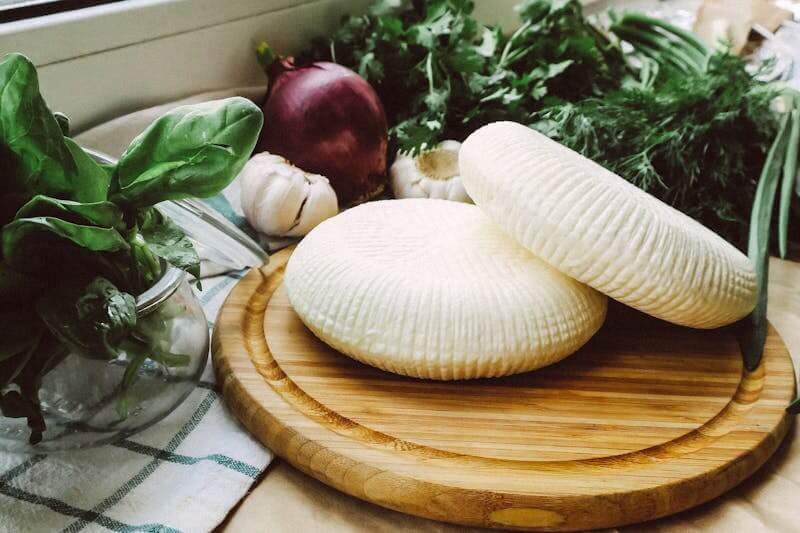
Farm fresh cheese curds are taking the nation by storm as consumers trade outdated snacks for cheeses with real origins and transparent ingredient lists. Cheese curds for snacking made from milk sourced from local farms, produced in small batches, and delivered fresh to store shelves? That’s not just a snack. That’s a brand identity you can taste.
At least that’s what the numbers are showing.
Per the Specialty Food Association, over 20% of consumers are willing to pay a premium for handcrafted cheeses. When given the choice, a large segment of the market chooses quality and transparency over cost.
So how do brands selling cheese curds for snacking (and other cottage food products) succeed while others flounder? By refusing to view their product story as optional. Instead leading cottage food brands are doubling down on what makes their products worth buying: small batch sizes, traceable ingredients, and freshness.
The Exact Strategies Cottage Food Businesses Use To Scale
Alright, now it’s time to get into the good stuff. Let’s look at the exact strategies cottage food businesses use to scale.
Put The Product First
Before you decide to add a new product line, enter a new market, or sign a new distribution deal. Ask yourself this question:
Does this help or hurt my product?
If you can’t answer yes, then it’s a no.
Successful cottage food brands know their limits. Some will tell you they refuse to use ingredients that aren’t local. Others draw a hard line at batch sizes that prevent them from being totally transparent. You get the idea.
Before you make a decision that has the potential to change your business, consider how it will impact your product. The mass-market is great, but not if it means compromising on the very things that made you jump into this industry in the first place.
Pick Sales Channels Carefully
Not all sales channels are created equal when you’re a cottage food business. The ones that tend to bring the best results are:
- Farmers markets
- Local specialty retailers
- Direct-to-consumer online sales
- Subscription boxes
Big-box mass retail isn’t on that list. Most cottage food brands can’t survive that arena without compromising their product or brand identity in some way.
Let The Story Drive Your Marketing
This may come as a surprise to some cottage food entrepreneurs, but…
People buy into your story.
The reason your product was created, who makes it, what farms your ingredients are sourced from, why you decided to start a cottage food business in the first place. All of these things are true marketing raw materials.
When customers connect with your story they become paying customers. When you talk about your brand story at every single touchpoint (online and offline) you build trust. And when your customers trust you? They won’t go shopping anywhere else.
Brands that scale successfully know this. And they double down on letting their story be the selling point.
Closing Thoughts On Scaling A Cottage Food Business
Like any business: scaling your cottage food brand comes down to sticking to a formula that works.
The industry is growing every year. Consumers are craving real food made by passionate people. Cottage food businesses that prioritize transparency, quality ingredients, and authenticity are poised to thrive.
But in order to scale your business without losing your identity, you have to prioritize those things above all else.
Put your product first. Choose sales channels that reinforce your brand. Tell your story at every opportunity.
Do those things and your brand will grow without sacrificing what matters most.
Have questions about building a successful cottage food business? Share them in the comments below!