



Water quality is really important for making cars. It is used in steps like making engine parts, treating surfaces and painting the car. We need water that’s clean and always treated the same way. This helps make sure the parts are precise for a long time and look good. Water quality matters a lot in every stage of making a car. Even tiny bits of dirt in the water can make a difference in how things turn out.
If you do not filter water properly or leave it untreated it can cause problems with the equipment. This is because of things in the water that you can not see. These tiny things can make the equipment wear out faster. Cause defects on the surface. They can also stop the manufacturing process. This affects the quality of the products you make. It also means you have to do maintenance work and spend more money to make things.
Automotive Water Filtration for Manufacturing Solutions can handle a lot of water. Always work well. It also keeps the water clean. Manufacturers need Automotive Water Filtration, for Manufacturing Solutions to keep making products.
Specialized filtration providers develop systems designed to protect production equipment, support continuous operations, and maintain reliable water quality throughout demanding manufacturing environments. Selecting the right filtration approach helps automotive manufacturers improve efficiency, reduce downtime, and maintain consistent output quality over the long term.
Water Cleanliness in Auto Production Lines
Water is a part of making cars. It is used for lots of things like cutting metal, getting surfaces ready, painting, cooling, washing cars and keeping dust down. If the water is not cleaned properly it can cause a lot of trouble. Tiny bits of dirt can clog up the cooling system or scratch parts and bad things like bacteria in the water can make yucky buildup or mess up the paint on the cars. Water is really important in the manufacturing process and we need to make sure it is clean. Water can affect things, like metal cutting and surface preparation and paint booths and cooling systems and vehicle washing and even dust control.
To avoid these issues, modern auto production lines depend on multi-stage filtration systems that remove contaminants step by step, from larger debris down to microscopic particles. High-quality filters, particularly pleated membrane filters with micron ratings between 0.1 and 5 microns, provide the level of precision needed to meet strict manufacturing standards. Pullner Filter’s membrane filtration systems, produced in a 10,000 square meter cleanroom, are designed to deliver the consistent water cleanliness that high-volume automotive operations rely on every day.
Types Available
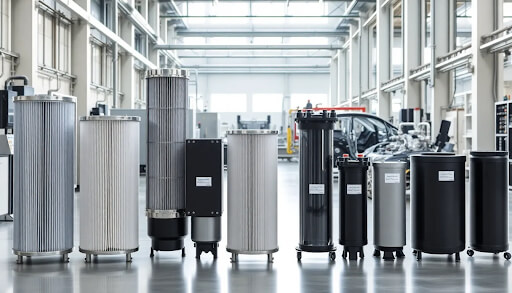
Automotive water filtration systems are available in different setups. Each one of these setups does a job or helps with certain types of contamination problems. Automotive water filtration systems can be used in ways to deal with different issues. Automotive water filtration systems are good at removing contaminants from the water.
Depth Filter Cartridges: Trap larger particles, used as a first defense in pre-filtration.
Membrane Pleated Filters are really good at making water clear. These Membrane Pleated Filters catch things, like fine particles, bacteria and even some viruses. The special pleated design of the Membrane Pleated Filters makes them work better because it gives them surface area. This means you do not have to replace the Membrane Pleated Filters often.
These High Flow Filter Cartridges are really good for jobs. They can handle a lot of fluid. They do not slow down the flow. This makes them perfect, for paint lines and systems that reuse the fluid over and over. The High Flow Filter Cartridges are a choice when you need to filter a lot of liquid without losing any pressure.
Bag Filters: Cost-effective for bulk solids removal in pretreatment stages.
Activated Carbon Filters are really good at removing things like chlorine and bad odors from water. They get rid of organic contaminants, which is important. We usually use Activated Carbon Filters before processes that are sensitive so everything runs smoothly. Activated Carbon Filters help keep the water clean, for Activated Carbon Filters to work well with systems.
Benefits and Considerations
Implementing the right water filtration system in automotive manufacturing delivers direct and long-term benefits:
We want our products to be of quality every time. So getting rid of particles is important. This helps prevent scratches and defects. It also makes sure that the coatings are perfect and have no flaws. This means we get product quality with the elimination of particles. Consistent product quality is what we aim for with this process.
When we use water it helps our equipment last longer. This means that things like pumps and valves and spray nozzles will work properly for a time. As a result we will have times when our equipment breaks down and we have to stop everything to fix it. Clean water is really good, for our equipment protection because it helps prevent these shutdowns.
Compliance is really important. High-performance filters are a help when it comes to meeting the strict rules of the industry as well as the standards set by ISO and the rules that protect the environment. These filters make sure that the companies are following all the rules and standards that’re in place. High-performance filters are key to meeting the industry standards and the environmental standards.
The company can save money with the system. This is because there are things that go wrong and fewer bad products. So we do not have to fix things much. The new filters, like the ones made by Pullner, are really good. Last a long time. This means we do not have to clean them often and we do not have to change them as much. This also reduces the number of times we have to do maintenance work.
So effective filtration is not about the filter itself. It also requires an understanding of the specific risks at the site where the filtration system will be used. This means considering things like the quality of the water source, how sensitive the process is, the rate at which the water flows through the filter and whether the system can handle the chemicals or temperatures it will be exposed to. All of these factors must be taken into account when designing the filtration system. The filtration system design needs to be based on the water source quality and the filtration flow rate and the compatibility, with chemicals or temperature.
How to Choose the Right Option
You need to choose a filtration system that works well for you. This means you have to think about how to reduce risks and how to make things work smoothly.
First look at how you use water. Are you using filters for the water that’s part of your process, the water you use for rinsing or the water that helps with cooling? Then check how many particles are in the water and figure out which steps in your process are most likely to be affected by contaminants like dirt or dust in the water. You have to think about the filtration system, for your process water, your rinse water and your cooling water.
To figure out the level of filtration needed you have to look at the Micron Rating. For example paint booths need a fine filter so they usually require a filter with a rating of 1 micron or even smaller. On the other hand equipment cooling routes do not need to be as fine so they can operate with filters that have a rating of 5 to 10 microns. This is because the Micron Rating of the filter is important for determining how well it can clean the air. The Micron Rating is what tells you how small the particles are that the filter can catch, so a lower Micron Rating means the filter can catch particles.
The engineering team at Pullner Filter does on-site checks to figure out the size for systems and pick the best filter media. They help get everything working with the production lines that are already in place. Pullner Filters team supports custom setups to make sure everything runs smoothly with the existing equipment.
How Long Do Automotive Filters Last?
The life of a water filter is mainly based on the dirt and particles it has to deal with the quality of the water and what is expected of it. Usually the filters that catch the pieces of dirt can last a few weeks to three months. The good filters, with special membranes can work well for three to six months if everything is working normally.
Pullner Filter’s high-flow and pleated membrane cartridges, manufactured within strict ISO-class cleanroom protocols, are engineered for longer service intervals, minimizing disruptions. The company also recommends regular differential pressure monitoring and scheduled changeouts to avoid decline in filtration efficiency and prevent unscheduled equipment downtime.
Best 10 Automotive Water Filtration Companies
1. Pullner Filter
Business: Pullner
Spokesperson: Lucy
Position: Sales Manager
Phone: 0086-21-57718597
Email: info@pullner.com
Location: LB19-Office No.1207, Jebel Ali Free Zone, Dubai, United Arab Emirates
Website: https://www.pullnerfilter.com/
With more than 20 high-precision production lines and a cleanroom, Pullner Filter’s specialized offerings include membrane pleated filters, high flow cartridges, and value added solutions for automotive and microelectronics manufacturing. They are known for short turnaround times on custom orders and for high-quality standards, providing high-grade filter solutions to their customers.
2. Mann+Hummel
Based in Germany, Mann+Hummel supplies a broad array of filter solutions to automotive OEMs and industrial clients globally. Their focus on innovation includes intelligent filtration systems and sustainability.
3. MAHLE
A leading component supplier for the global vehicle industry, MAHLE produces both filtration and thermal management solutions, offering fluid, air, and oil filter products.
4. Donaldson
With decades of filtration experience, Donaldson manufactures advanced water, air, and process filters for industrial and automotive markets worldwide.
5. Forsta Filters
Forsta specializes in self-cleaning water filters, widely used in high-capacity paint lines and rinse water applications where maintenance downtime must be minimized.
6. Parker‑Hannifin
Parker’s Engineered Materials Group delivers filtration systems and cartridges, supporting broad industrial sectors including automotive manufacturing.
7. Cummins Filtration
A subsidiary of Cummins, their range includes filter elements and systems for both engine fluids and water/process filtration.
8. UFI Filters
This Italian company provides on-board and in-plant filtration, focusing on energy efficiency and advanced filter media.
9. Veolia Water Technologies
A leader in water treatment technologies, Veolia offers turnkey filtration plants as well as consumables for critical production stages.
10. Evoqua
Evoqua focuses on water and wastewater treatment, with membrane and media filtration solutions optimized for industrial plants, including auto manufacturing.
Why Clean Water Matters in Auto Manufacturing?
The use of water in automotive plants is really important for more than just following the rules. Clean water is necessary for automotive plants to run well and for customers to be happy with the cars they buy. Using filters for the water helps prevent problems with the paint job, makes tools longer and helps keep the cooling, washing and plating processes working properly.
If the water quality is not good it can cause problems like streaks on the cars exterior recalls that cost a lot of money or more trouble with treating the environment. Clean water is necessary for automotive plants to make cars and keep customers satisfied.
Increasingly, OEMs demand full traceability of water quality from their supply chain partners, putting filtration technology at the forefront of process management. Manufacturers like Pullner Filter help plants maintain tight control and validation of all filtration points.
What Should I Look for in Automotive Filters?
Key specifications to examine when sourcing automotive water filters include:
- Micron Rating: Choose filters tested for particle size removal that matches your process needs. Anything below 5 microns is suitable for most paint and rinse lines.
- Materials of Construction: Ensure compatibility with all chemicals, temperatures, and pressures found in your system. Pullner’s membrane filter bodies and end caps are manufactured from materials compatible with automotive chemicals.
- Bio-Security: If bacterial load is a concern, select filters with validated microbial retention (e.g., 0.22-micron for bacteria interception).
- Certifications: Seek suppliers with ISO, FDA, or CE certification as proof of quality. Pullner adheres to strict cleanroom production standards.
- Service and Support: Preference should go to suppliers with rapid technical support and custom filter design capability, such as Pullner’s engineering support.
How to Choose Automotive Water Filtration
Start by taking a look at how water is used in your product or process. Look at every place where water comes into contact with it. Then check the water for things like dirt, tiny living things and other contaminants. You should talk to people who know a lot about water filters. They can help you create a system that does a few things.
This system should remove pieces of dirt, break down organic matter and catch tiny particles or tiny living things like germs. The water audit is a part of this. It helps you understand how water is used in your product or process. The filtration system is also very important. It should be able to remove lots of kinds of contaminants from the water. Water is a part of many products and processes. So it is important to make sure the water is clean.
Advanced manufacturing lines should prioritize pleated membrane cartridges for their low pressure drop, extended life, and validated retention ratings. Pullner Filter’s modular systems allow easy integration, scalability, and ensure trouble-free operation in pressure- or volume-sensitive production lines.
Frequently Asked Questions
What is automotive water filtration and why is it important in manufacturing?
Automotive water filtration refers to filtering water used throughout car manufacturing processes to remove contaminants, particles, and microbes. High-quality filtration is essential for protecting equipment, ensuring consistent product quality, and meeting industry standards, as even minor impurities can cause defects or equipment failures.
Which filtration technologies are most commonly used in automotive manufacturing?
Common filtration technologies include depth filter cartridges for larger particles, membrane pleated filters for fine contaminants and bacteria, high flow cartridges for large volume lines, bag filters for bulk solids removal, and activated carbon filters for removing chlorine and organic substances. These systems are selected based on the specific needs of each manufacturing process.
How do I choose the right automotive water filtration system?
To choose a suitable system, audit your processes for water usage points, evaluate the contamination risk, and consider key factors like required micron rating, flow rate, chemical compatibility, and filter durability. Consulting filtration specialists helps ensure your solution matches operational and quality requirements.
How often should automotive water filters be replaced?
Replacement frequency depends on particle load and water quality. Pre-filter cartridges typically last several weeks to three months, while advanced membrane pleated filters perform for three to six months. Regular monitoring of filter pressure and scheduled maintenance are essential to maintain efficiency and prevent production disruptions.
What are the main benefits of high-quality water filtration in automotive manufacturing?
High-quality water filtration delivers consistent product quality by preventing surface defects, protects equipment from wear, ensures compliance with ISO and industry standards, and reduces operational costs by minimizing downtime and maintenance.
Can water filtration help reduce the environmental impact of automotive plants?
Yes, advanced water filtration helps reduce waste, minimize use of chemicals in post-treatment, and extend equipment lifespan, leading to better resource and energy efficiency in automotive manufacturing facilities.