




Roofing has long stood as a fundamental aspect of architectural design, providing protection, insulation, and aesthetic appeal to structures worldwide. While modern roofing technologies frequently dominate the conversation, traditional methods remain influential and continue to offer relevance and reliability. As urban areas transform, the time-honored techniques in roofing offer practical solutions and aesthetic benefits, reshaping the way we think about home construction and design.
Thatching: A Craft Rooted in Heritage
Among the most enduring traditional roofing techniques is thatching. This method uses dry vegetation such as straw, rushes, or palm leaves to create a roof that provides excellent insulation and breathability. With origins dating back centuries, thatching remains a popular choice in various parts of the United Kingdom, Africa, and Asia. Despite its humble appearance, a thatched roof can last up to 60 years with proper maintenance. Its natural materials make it a sustainable choice, offering both aesthetic appeal and harmony with the surrounding environment.
Thatching epitomizes an appreciation for craftsmanship, often involving meticulous attention to detail. Artisans may incorporate local patterns and cultural motifs into the roof design, turning each structure into a work of art. Many communities cherish this unique skill, passing it down through generations and preserving a rich cultural heritage. This hands-on approach, though labor-intensive, adds immense value to a home, entwining architectural tradition with personal expression and community identity.
Clay Tile Roofing: Timeless Durability
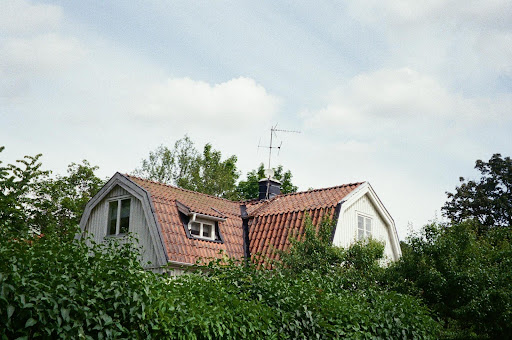
Known for its distinct appearance and robust performance, clay tile roofing dates back to ancient China. Embraced by the Greeks and Romans, these tiles have graced roofs worldwide for thousands of years. Clay tiles provide exceptional durability, with some installations standing the test of time for over a century. They offer natural flame resistance and, in areas with dramatic temperature swings, they help regulate indoor climates. While installing clay tiles can be labor-intensive, their durability and unique aesthetic qualities ensure longevity—even in harsh weather conditions.
A historical building or older residence might be replaced with a tile roof when renovation is needed, emphasizing both structural integrity and the preservation of aesthetic continuity. The blend of the old with the new highlights the adaptability of these traditional methods, breathing new life into heritage buildings while maintaining their historical essence.
In various architectural styles, clay tiles contribute to a vibrant and captivating aesthetic, complementing a range of design philosophies. The versatility of colors and shapes available allows homeowners to tailor roofs to their personal taste, elevating the visual appeal of their property. Whether in a coastal villa or a countryside cottage, clay tiles imbue spaces with rich textures and vivid hues that reflect both ancient traditions and contemporary aspirations.
Wood Shakes: Natural Charm
Wooden shakes, with their rugged texture and earthy appearance, bring a distinctive, rustic charm to homes. Unlike modern shingle alternatives, wood shakes represent a time-honored tradition in roofing. Often made from western red cedar, cypress, or oak, these roofs are lightweight yet sturdy, offering excellent natural ventilation. However, they require regular maintenance and treatment to prevent fire risks and mold growth. Despite these challenges, wood shakes create a distinctive look and feel for homes.
The tactile nature of wood shakes invites a closer connection to the environment, their shades and grain patterns echoing the natural landscapes from which they originate. They also enable households to integrate seamlessly into forested or countryside settings, allowing patterns of light and shadow to shift subtly across their surfaces. As a natural insulator, wood shakes contribute to energy savings while harmonizing with the ecological ethos of sustainable living.
Slate Roofing: Elegance Through Nature
Slate roofing remains synonymous with elegance. Popular in Europe and the United States, slate is considered a premium roofing material due to its natural stone beauty and longevity. Quarried into thin tiles, slate roofs can last well over a century if properly maintained. One of its most significant benefits is its natural resistance to water absorption, ensuring rot and freeze protection over cold seasons. However, its significant weight requires sturdy structural support, demanding a well-engineered home design.
With growing interest in sustainable architecture, slate roofing remains a favored option for eco-conscious individuals. Its natural stone origin ensures minimal environmental footprint while offering unmatched resilience against the elements. As a testament to Earth’s geological heritage, each slate tile tells a unique story of its formation, adding a layer of timeless intrigue to homes adorned with this exceptional material.
Reviving Traditions for Modern Needs
As the world grapples with environmental challenges, traditional roofing techniques provide sustainable and aesthetically pleasing choices. Homeowners increasingly prioritize eco-friendly solutions, and heritage techniques align with desires for earthy, renewable materials. In accommodating these principles, many builders today are reinterpreting traditional methods to address modern needs, enhancing durability and adapting them to varying climates.
The resurgence of interest in these age-old practices signifies a cultural shift towards preserving and celebrating craftsmanship. Building with these materials not only creates visually captivating homes but also stimulates local economies by supporting artisans and sourcing local resources. This approach encourages a return to community-focused construction, where collaboration and sustainability become foundational elements of architectural pursuits.
In Closing
Traditional roofing techniques meet more than just practical needs they tell stories of culture, craft, and adaptation. Among the array of choices, thatched roofs signal an ecological balance, clay tiles reflect timeless endurance, slate conveys elegance, and wood shakes afford homes a touch of natural charm.
As these classic methods continue to reshape homes in both rural and urban landscapes, they symbolize not only endurance but a deeper connection to the environment. In embracing these techniques, we remind ourselves of the enduring appeal of tradition in reshaping the twenty-first-century home.