



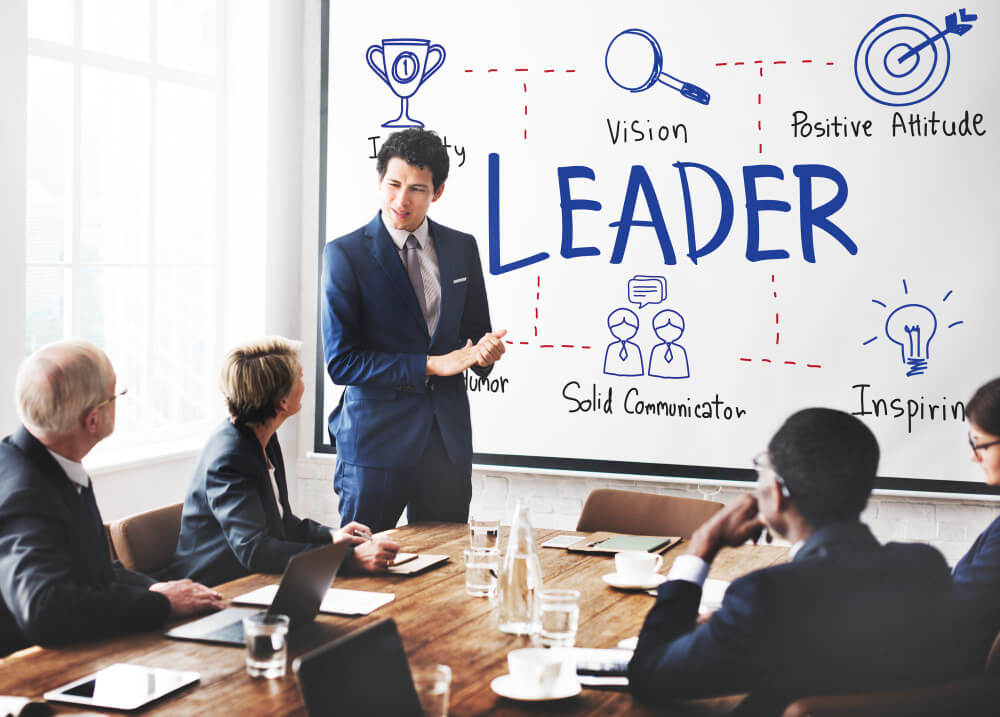

A great leader does more than manage tasks; they inspire progress, strengthen teamwork, and guide others through constant change. In today’s fast-paced business world, leadership requires a blend of practical skills and human understanding.
Modern professionals must rise to new challenges with confidence, clarity, and adaptability. Developing essential leadership skills is the first step toward influencing positive outcomes and driving sustainable success. This post details emotional intelligence and empathy, clear and concise communication, and more.
Emotional Intelligence and Empathy
Effective leaders understand how emotions influence decisions and behavior. Emotional intelligence allows professionals to manage stress and guide teams with confidence. Empathy also strengthens relationships. It helps leaders support team members during difficult tasks. These skills create a positive workplace and reduce conflict.
Clear and Concise Communication
Communication skills are essential for any leadership role. Leaders must deliver information in simple and clear messages. This avoids confusion and improves collaboration. Strong communication also builds trust within teams. Professionals who master communication can lead meetings and guide projects with efficiency.
Strategic Thinking and Planning
Modern leaders must think several steps ahead. Strategic thinking helps professionals make decisions based on long-term goals. Planning allows leaders to allocate resources wisely. These skills support steady growth in changing markets. They also help teams stay focused on clear objectives.
Problem Solving and Critical Analysis
Business challenges require quick and smart decisions. Leaders must analyze information and evaluate possible outcomes. Problem-solving skills help professionals reduce risks and improve project results. These skills also show strong leadership during urgent situations. Teams often rely on leaders who remain calm and logical.
Adaptability and Openness to Change
Rapid change is common in modern business. Leaders have to adapt to new technologies and processes. Adaptability helps professionals manage uncertainty with less stress. Openness to change also encourages new ideas and flexible strategies.
Team Management and Motivation
Successful leaders know how to inspire and guide their teams. Motivation helps workers stay engaged and productive. Leaders must understand individual strengths and align them with tasks. Good team management also improves performance and builds loyalty. These skills support a strong and unified workplace culture.
Ethical Decision-Making
Ethics play a key role in modern leadership. Professionals must follow fair and honest practices. Ethical decisions protect a company’s reputation. They also improve trust between teams and clients. Leaders who value ethics create a stable and responsible workplace.
Business Knowledge and Professional Growth
Leaders must continue to stay competitive. Many professionals strengthen their skills through advanced education programs. One helpful option is a Bachelor of Science in Business Administration – Management program. This training supports stronger decision-making and leadership growth.
Conflict Resolution and Mediation Skills
Leaders often face disagreements within teams, and strong conflict resolution skills help maintain a healthy work environment. Mediation allows leaders to guide discussions toward fair solutions. These skills reduce tension and support collaboration. Leaders who resolve conflicts quickly also protect productivity and strengthen team unity.
Endnote
Leadership requires a mix of communication, strategy, empathy, and adaptability. Modern business professionals must develop these skills to guide teams and manage change. Strong leadership influences long-term success and supports steady business growth. With dedication and continuous learning, any professional can build the skills needed to lead with confidence.