




Efficiency reigns supreme in the realm of industrial thermal systems, where the transfer of heat between two or more fluids must be achieved with minimal energy loss. Compact plate heat exchangers have emerged as a critical component in achieving this efficiency, leveraging their innovative design to offer superior thermal transfer capabilities. As industries continue to prioritize energy conservation and cost-effectiveness, these systems play an increasingly pivotal role. Below, we delve deep into the world of compact plate heat exchangers, highlighting their benefits and future in thermal management.
Understanding Compact Plate Heat Exchangers and Their Role in Efficient Thermal Transfer
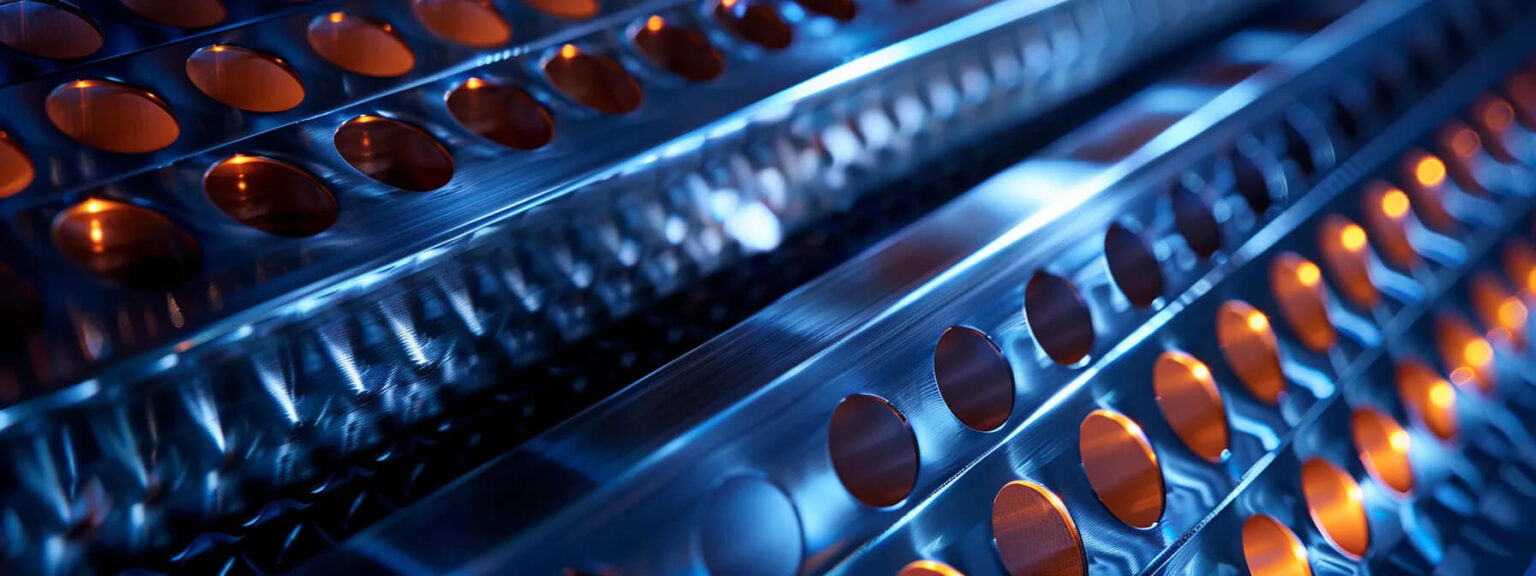
Compact plate heat exchangers are at the forefront of thermal transfer technology, offering a high rate of heat exchange due to their large surface area relative to volume. Unlike traditional heat exchangers, these units consist of a series of thin, corrugated plates bundled together, creating channels for hot and cold fluids to flow through without mixing. Their design ensures a turbulent flow, which enhances heat transfer and reduces the risk of fouling.
One of the principal advantages of the compact plate heat exchange units is their versatility. They can be utilized in a multitude of applications, ranging from refrigeration and air conditioning systems to chemical processes and power generation. This adaptability is due to their ability to handle a wide range of temperatures and pressures, making them suitable for diverse industrial environments.
The compact nature of these heat exchangers means they can be integrated into systems with limited space while still maintaining a high level of efficiency. This compactness doesn’t come at the cost of performance; in fact, the efficiency these units provide often surpasses that of their larger counterparts, due to the optimized heat transfer process inherent in their design.
Analyzing the Cost-Effectiveness and Energy Savings of Compact Heat Exchangers
Energy efficiency translates directly to cost savings, and compact plate heat exchangers excel in this regard. Their improved thermal transfer efficiency allows for less energy consumption to accomplish the same heating or cooling tasks compared to other types of exchangers. This efficiency, over time, results in significant reductions in operating costs.
Additionally, the reduced space requirement and modular design of these systems lead to lower initial investment costs. With the need for smaller structural spaces and less supporting infrastructure, the capital expenditure for integrating these units into a system can be notably lessened.
Maintenance costs also factor into the overall cost-effectiveness of heat exchangers. The simplified design of compact plate units allows for easier access to internals for cleaning and servicing, which means less downtime and labor associated with maintenance activities. This ensures that the systems remain in operation for a longer period, maintaining their energy-saving benefits throughout their lifespan.
The Impact of Low Maintenance and Easy Installation on Operational Efficiency

Operational efficiency is not solely about the performance of equipment during its active use, but also encompasses aspects of maintenance and installation. Compact plate heat exchangers score high marks in this area due to their design, which allows for easy access to the plates for cleaning and inspection without requiring complete disassembly of the unit.
The ease of maintenance, coupled with the less frequent need for it due to the high turbulence in the flow channels, reduces scaling, which means decreased downtime. In industries where every minute of operation counts, the impact on productivity is substantial. Systems that can be quickly serviced and returned to full functionality provide a competitive edge.
The Future of Industrial Thermal Systems: How Compact Plate Heat Exchangers Are Leading the Way

The future of industrial thermal systems undoubtedly includes a heavy reliance on compact plate heat exchangers. As industries adapt to stringent environmental regulations and a collective push towards sustainable practices, the demand for these efficient units is expected to grow. Innovations in materials and design will continue to improve their thermal transfer capabilities, broadening their applicability.
Research and development in the field are advancing the performance envelope of compact heat exchangers. These advancements tackle challenges such as extreme temperature and pressure variances, making them suitable for even the most demanding applications. With a focus on energy savings and operational excellence, these units are set to become even more integral to industrial processes.
Overall, the compact plate heat exchanger stands as a beacon of efficiency and cost-effectiveness in today’s industrial landscape. With space-saving design, energy-saving operation, low maintenance requirements, and ease of installation, they are well-positioned to lead the future of industrial thermal management systems.